AI Search
How Can My Business Show Up in AI Search?
AI search optimization for small businesses: website content, technical indexability, entity consistency, FAQs, and conversion—without ranking guarantees.
BEED Engineering · Next.js / React / TypeScript · Strategy
BEED Engineering had the expertise, credentials, and project history to compete for more work—but its legacy website wasn’t built to communicate that value at scale. We developed a new digital strategy and rebuilt the site in Next.js, turning more than 30 years of project experience into a structured platform connecting services, industries, locations, projects, educational content, and conversion paths.
BEED didn’t have an expertise problem—it had an information architecture problem. The firm already had decades of engineering experience, PE / LEED AP leadership, MBE credentials, dozens of completed projects, specialized industry experience, and deep MEP knowledge across Central Florida and the state.
The legacy site didn’t connect those pieces in a way that was useful to prospects or search engines. Instead of asking “How do we make the website look better?”, we asked: “How do we turn everything BEED already knows and has done into a system that helps the right prospects discover, evaluate, and contact the firm?”
Step 01
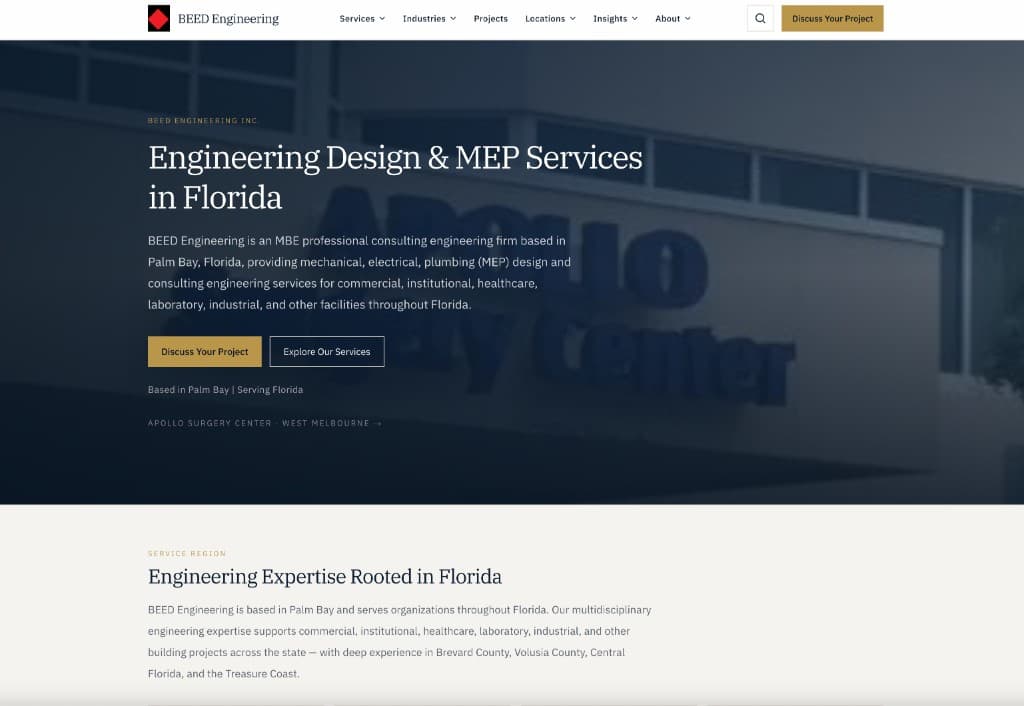
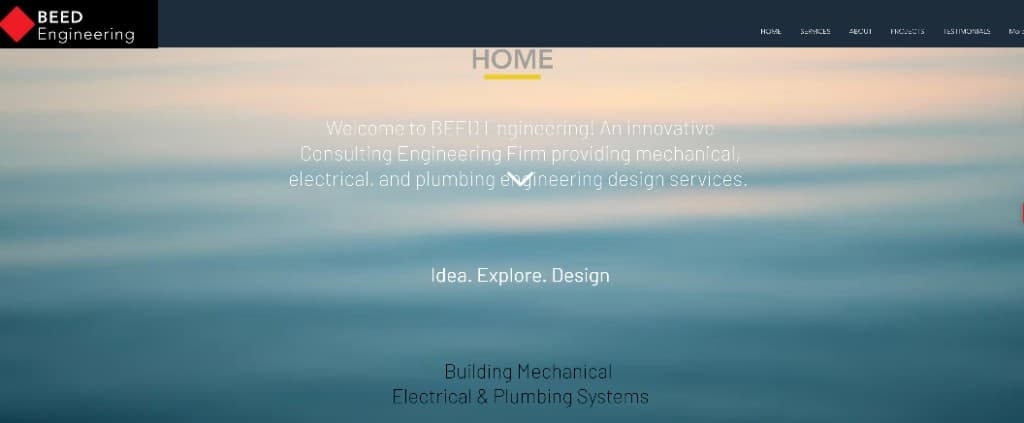
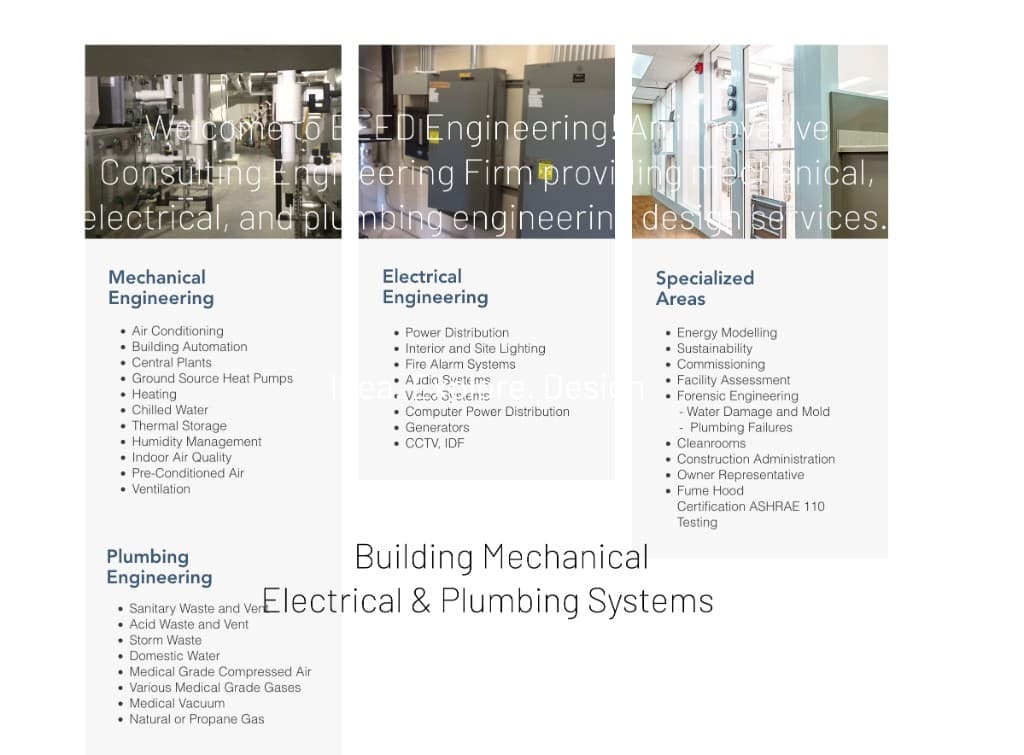
The legacy Wix site functioned as a digital brochure—centered welcome copy, static service lists, and little structure for how prospects actually choose an engineering firm. The new Next.js platform leads with clear positioning, Florida market context, and paths into services, industries, projects, and contact.
Step 02
The site was structured around the questions a prospective client naturally asks—moving from “What do they do?” to “Have they done my project?” to “How do I start?”
Learn → Validate → Trust → Contact
MEP, Mechanical, Electrical, Plumbing, and Engineering Design answer “What do they do?”
Educational content on building systems and owner questions answers “Do they understand my situation?”
Healthcare, education, labs, and specialized facilities answer “Have they worked in my industry?”
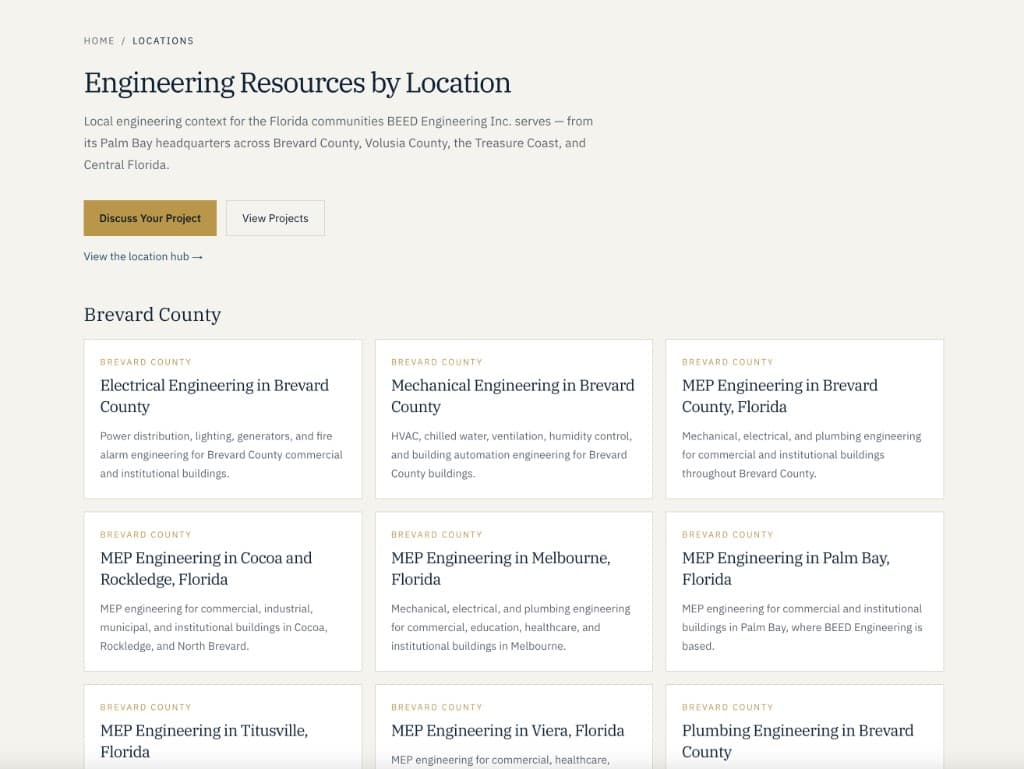
Brevard, Orlando / Central Florida, Treasure Coast, and other Florida markets answer “Have they worked where I am?”
32 project case studies answer “Have they actually done this before?”
Discuss Your Project and supporting paths answer “How do I start?”

Step 03
Pages reinforce one another rather than existing as isolated URLs. A healthcare page connects to healthcare projects, West Melbourne, mechanical and plumbing services, related questions, and contact. Search engines and prospects both get clearer context about BEED’s expertise.
Step 04
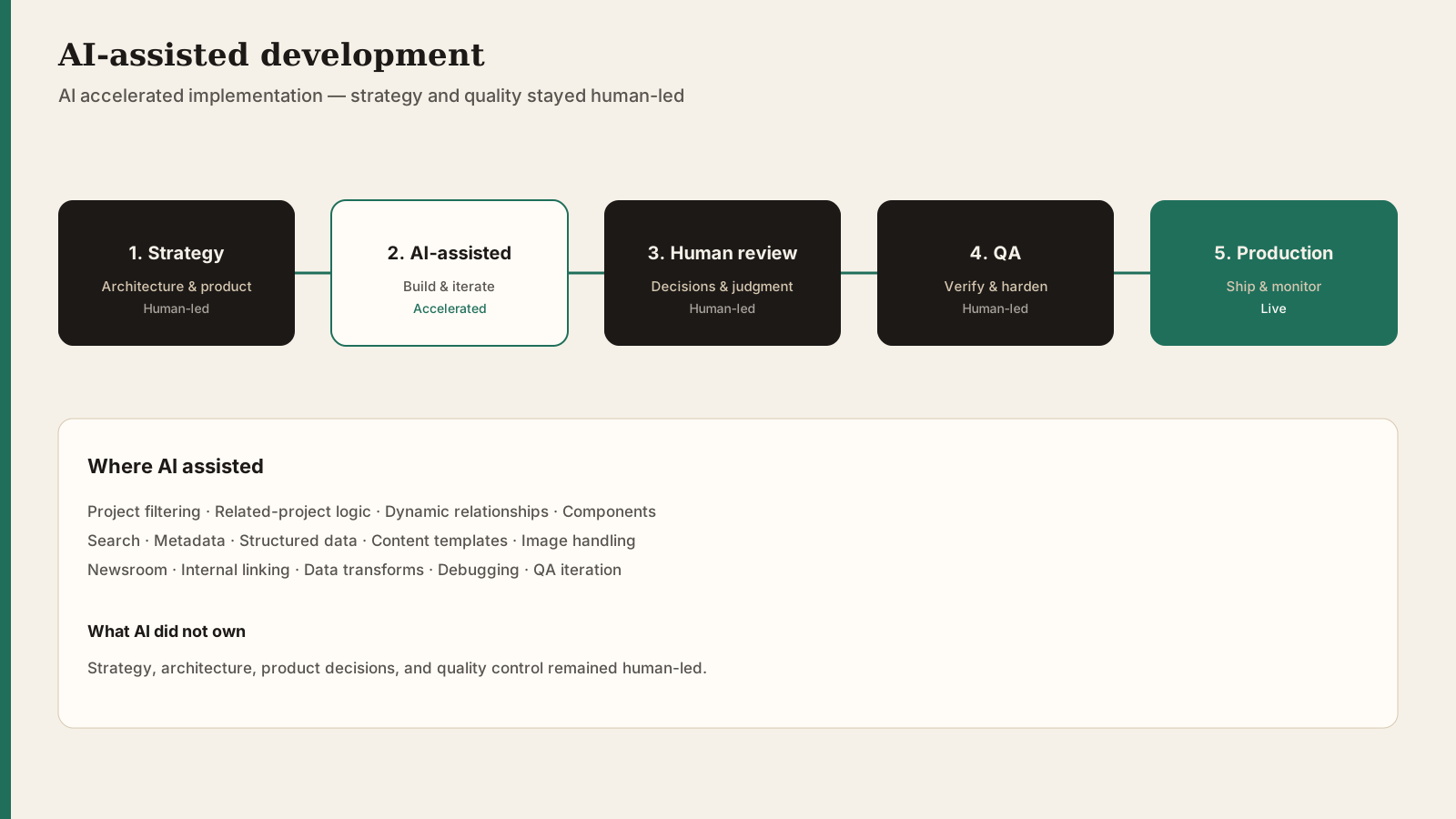
An AI-powered development workflow accelerated implementation of custom functionality throughout the build. Strategy, architecture, product decisions, and quality control remained human-led.
AI accelerated the development process; strategy, architecture, product decisions, and quality control remained human-led.
Step 05
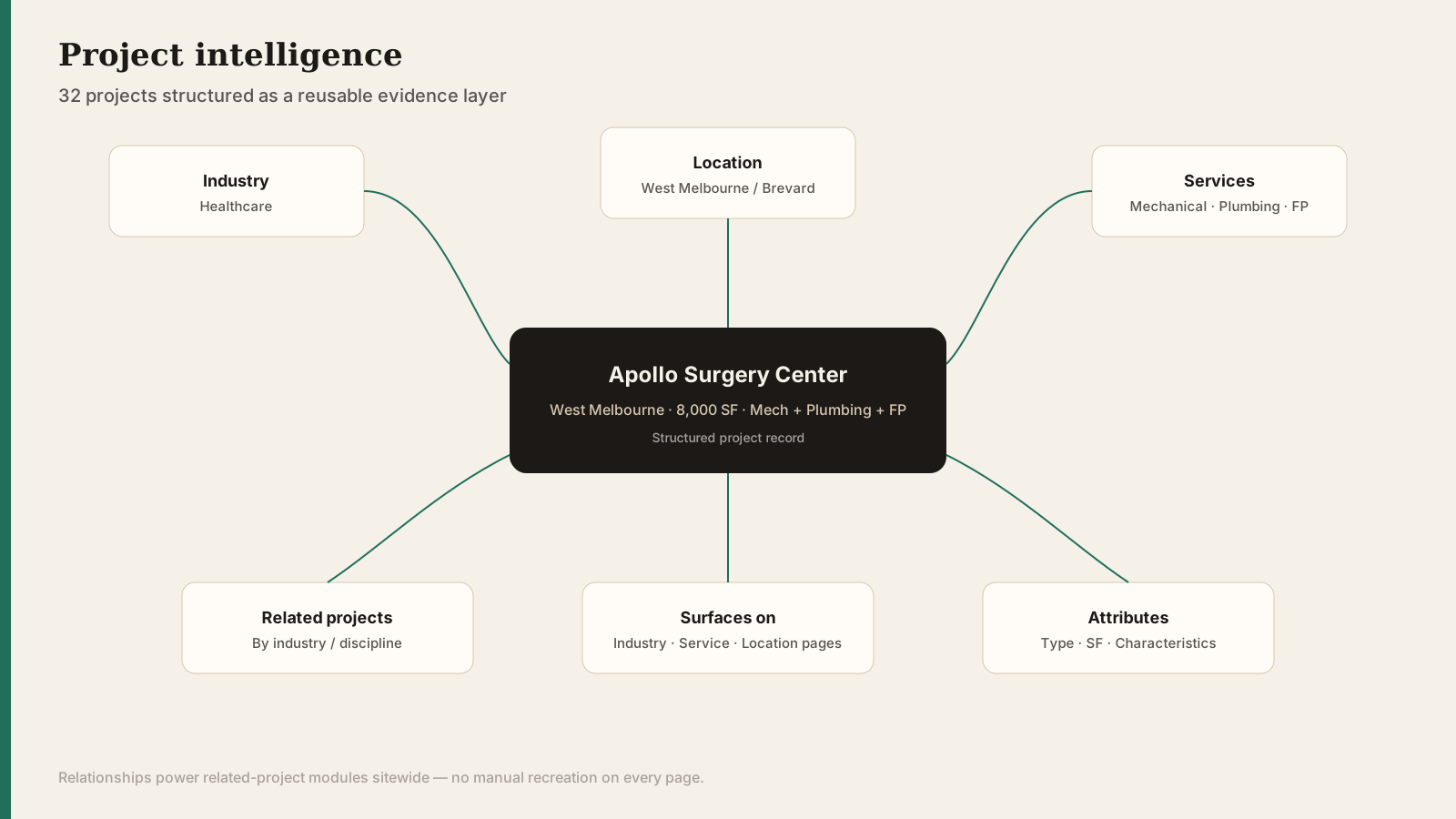
BEED had 32 projects. Instead of treating them as 32 isolated case studies, we structured project data around industry, location, project type, discipline, square footage, services, and characteristics. That data powers related proof throughout the site.
Step 06
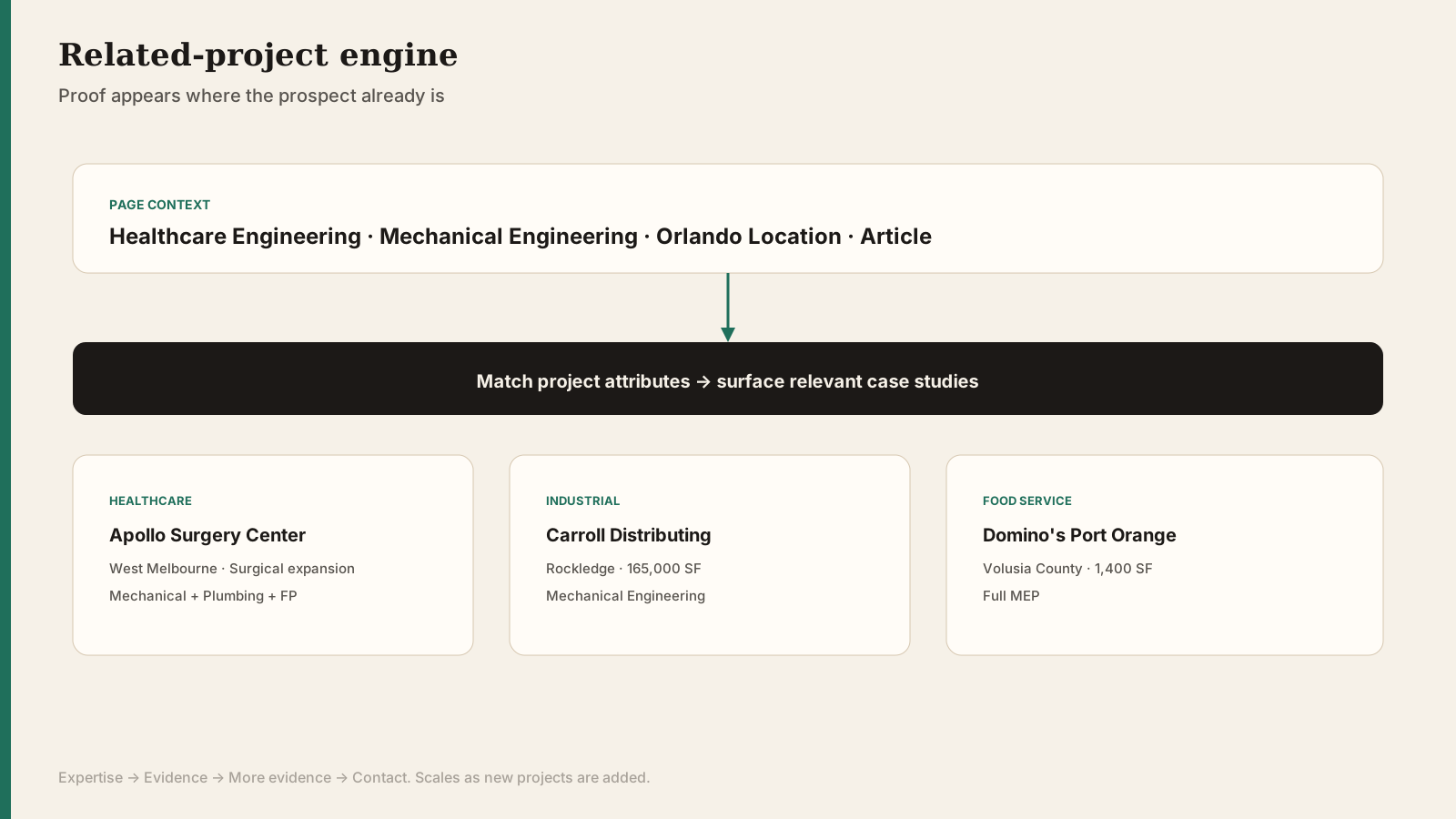
Related project modules surface contextually on healthcare pages, mechanical pages, Orlando pages, articles, industry hubs, and project pages—creating a continuous Expertise → Evidence → Contact loop that scales as new projects are added.
Step 07
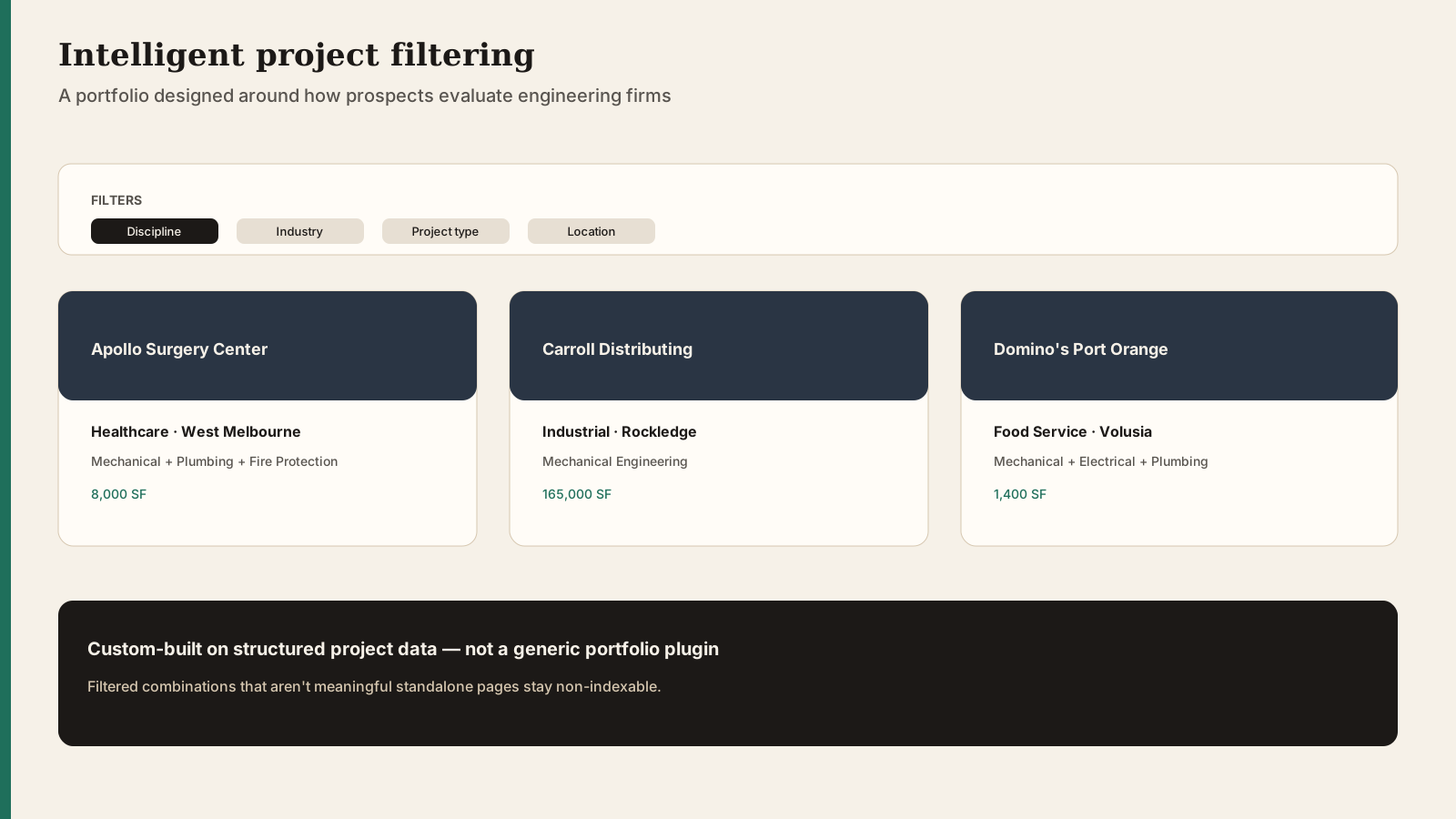
The Projects experience was built around how prospective clients evaluate engineering firms. Users can explore by discipline, industry, project type, and location. The filtering system is custom-built on structured project data—not a generic portfolio plugin. Filtered combinations that aren’t meaningful standalone pages remain non-indexable.
Step 08
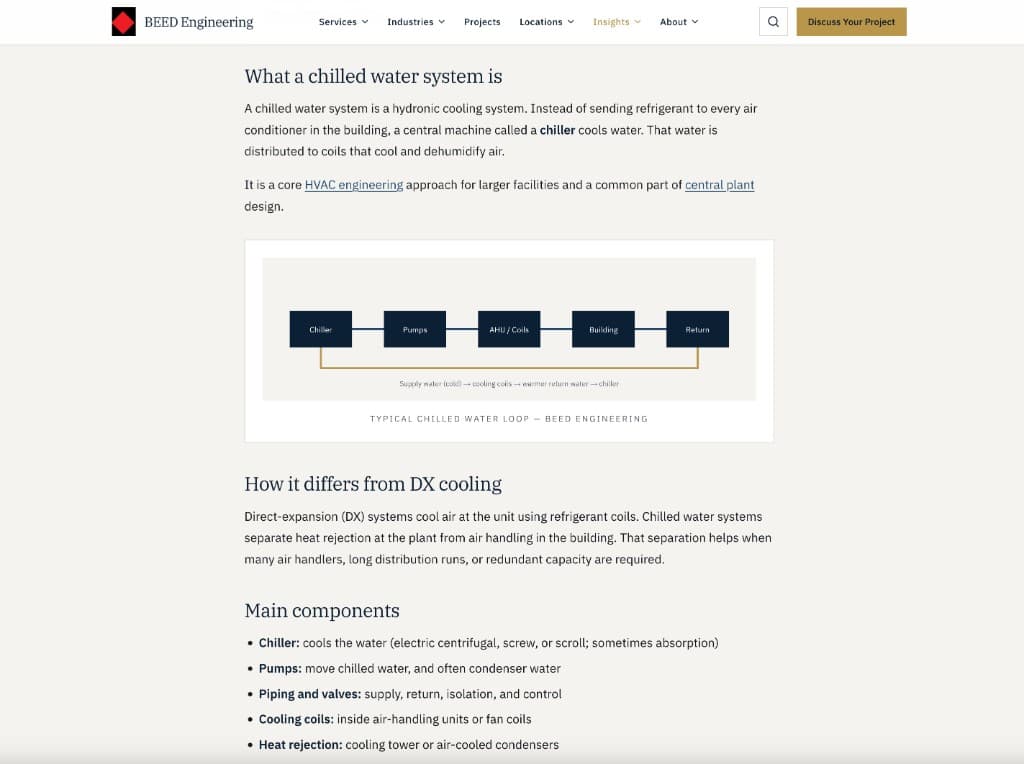
Traditional SEO asks how to rank a page. AEO also asks whether an answer engine can understand the page well enough to use it confidently. Articles begin with concise answers, commercial pages explain what / who / how / deliverables, FAQs answer natural-language questions, and entity relationships reinforce what BEED is and what it knows.
Step 09
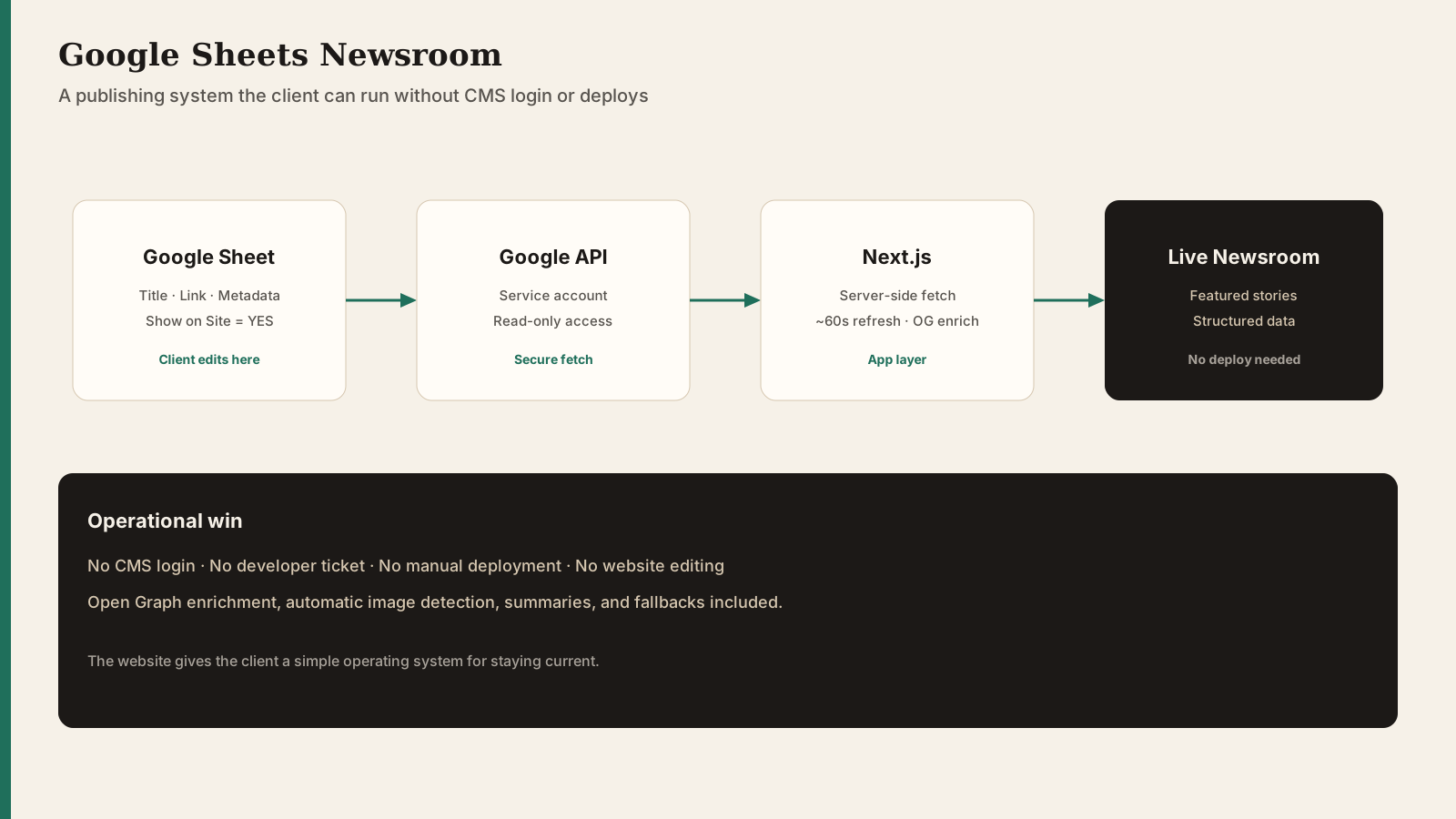
The Newsroom solves an operational problem, not just a front-end feature. The client adds an article to Google Sheets, sets Show on Site to YES, and it appears on the website automatically—no CMS login, developer ticket, or deployment.
Step 10
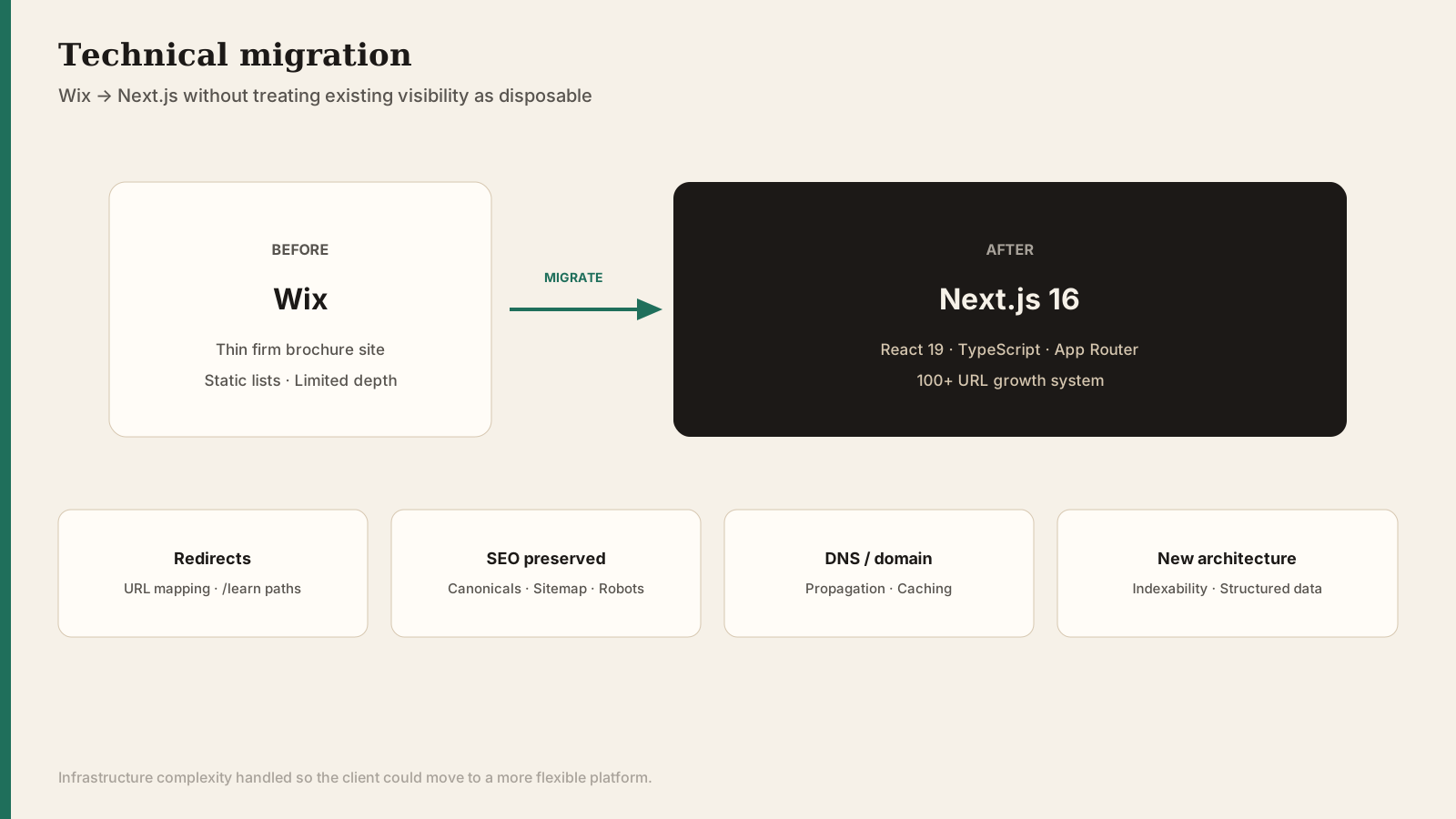
The previous website was on Wix. The new platform is Next.js 16 + React 19 + TypeScript. Migration included URL mapping, redirects, legacy /learn paths, canonicals, sitemap restructuring, robots rules, metadata, DNS, and crawl management—so existing search visibility wasn’t treated as disposable.
Step 11
The site doesn’t rely on a single contact page. Discuss Your Project is distributed across services, industries, locations, projects, and educational content—supported by phone, email, and form paths. UTM tracking helps identify where inquiries originate.
Discovery → Education → Proof → Trust → Inquiry
Step 12
Every new piece of business information can strengthen the overall system. A new project strengthens Industry → Location → Service. A new article strengthens Question → Topic → Service → Project. A new industry or location connects projects, services, and questions.
We didn’t build BEED Engineering a website to launch and forget. We built a digital system designed to compound: more projects create more proof, more content creates more answers, and more structured relationships create more opportunities to be discovered.
Information architecture, search intent mapping, content strategy, AEO strategy, and conversion architecture.
Next.js, React, TypeScript, App Router, reusable templates, and custom functionality.
Rapid prototyping, custom logic, filtering, related-content systems, debugging, iteration, and image workflows—with human oversight.
Technical SEO, JSON-LD, internal linking, sitemap, canonicals, FAQ architecture, and answer-focused content.
100+ indexable URLs, 32 projects, 30+ question-led articles, industry hubs, location architecture, and resources.
Google Sheets newsroom, Google Sheets API, Tally, GA4, and Open Graph enrichment.
The rebuild wasn’t a visual refresh—it replaced a thin firm website with a connected demand-generation system.
| Before | After |
|---|---|
| Thin firm website | 100+ page content architecture |
| Wix | Next.js / React / TypeScript |
| Static portfolio | Structured 32-project database |
| Projects largely isolated | Projects connected throughout the site |
| Basic navigation | Intent-driven information architecture |
| Limited industry depth | Industry hub architecture |
| Basic location coverage | Strategic local content |
| Generic content | Question-led AEO content |
| Manual content publishing | Google Sheets newsroom |
| Basic SEO | Technical SEO + structured data |
| Website as brochure | Website as demand-generation system |
The value wasn’t simply replacing an outdated website. It was creating a system that can continue getting more useful as BEED adds projects, expertise, markets, and content.
Professional firms often already have the expertise and proof—they need an information architecture that search engines, AI systems, and prospects can actually use.
It’s positioned as a digital strategy and technical transformation. The rebuild included information architecture, Next.js development, project intelligence, SEO/AEO, migration, and a client-run Google Sheets newsroom—not a visual redesign alone.
No. An AI-assisted development workflow accelerated custom features, but strategy, architecture, product decisions, and quality control remained human-led—with human review and QA before production.
Custom project filtering, related-project logic, structured content relationships, search and metadata systems, AEO-oriented templates, and a Google Sheets–powered newsroom with server-side fetching and Open Graph enrichment.
Yes. BEED Engineering is an example of a Wix-to-Next.js migration with URL mapping, redirects, SEO preservation, and a new scalable content architecture for a Florida MEP firm.
Guides related to the BEED Engineering work—covering the same platforms, services, and problems addressed in this case study.
AI Search
AI search optimization for small businesses: website content, technical indexability, entity consistency, FAQs, and conversion—without ranking guarantees.
Local SEO
A practical checklist for Central Florida business owners who expect to appear in Google Search—but rarely do when customers look for their services.
Shopify SEO
How Shopify brands can earn visibility in AI answers and modern search by structuring clear, trustworthy, citation-ready content—and attribute AI-referred orders without confusing them with agent checkout.

B2B website project
Space Coast Plumbing Engineering website case study—service architecture, entity-focused content, and SEO for Brevard County and Central Florida plumbing engineering.
Content automation
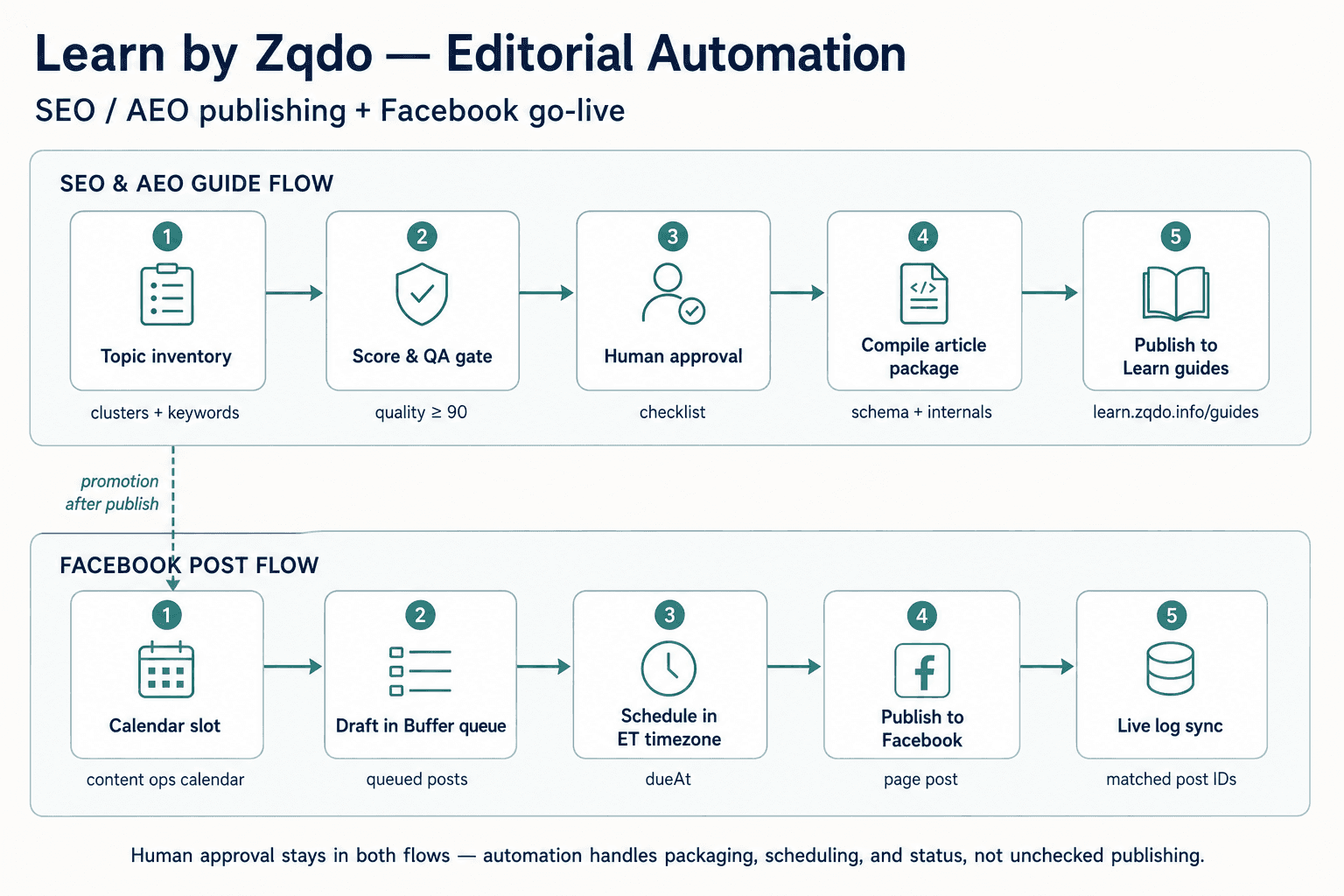
Learn by Zqdo case study—editorial scoring, article packages, publishing gates, Buffer social sync, and agent-assisted Shopify guide production.

Suntree Business Center
Suntree Business Center website case study—redesign for office-space rentals, SEO improvements, conference room booking, and maintenance request workflows.

SaaS product
Stryo SaaS case study—end-to-end product development for a platform that helps businesses collect, manage, and display customer reviews to build trust and improve conversions.
Your company may already have the expertise, projects, and credibility needed to win more business. The opportunity is turning those assets into a digital system that search engines, AI systems, and prospective clients can actually understand.
Project lead

Founder & Web Development / Shopify Consultant at Zqdo
David Frempong is the founder of Zqdo, where he works across Shopify development, web development, website management, SEO, AEO, CRO, and technical website optimization. He works with ecommerce brands, local businesses, marketing teams, and development teams to solve technical and growth-related website problems.